First LGBTQ+ Float Joins West Indian Day Parade
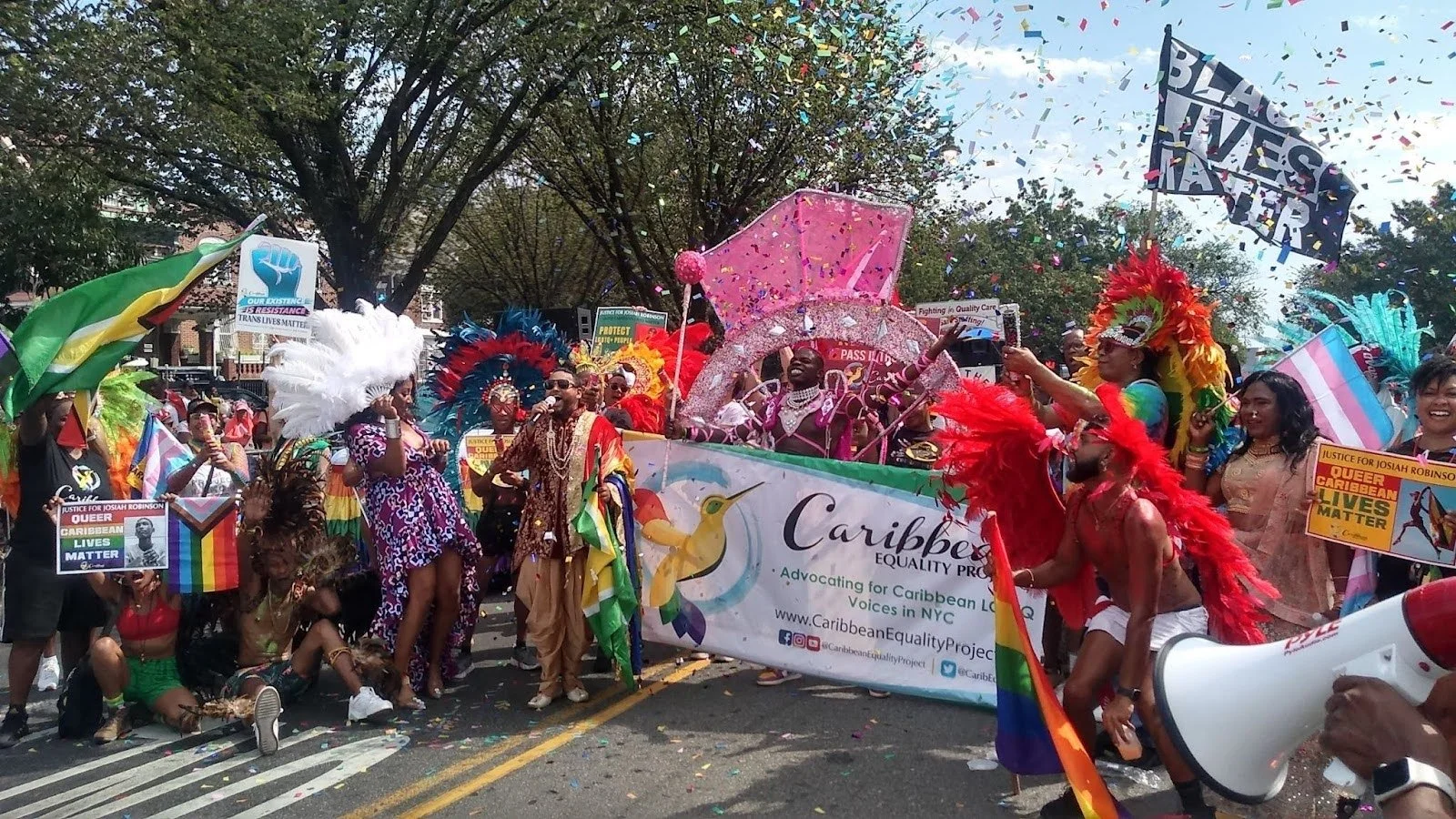
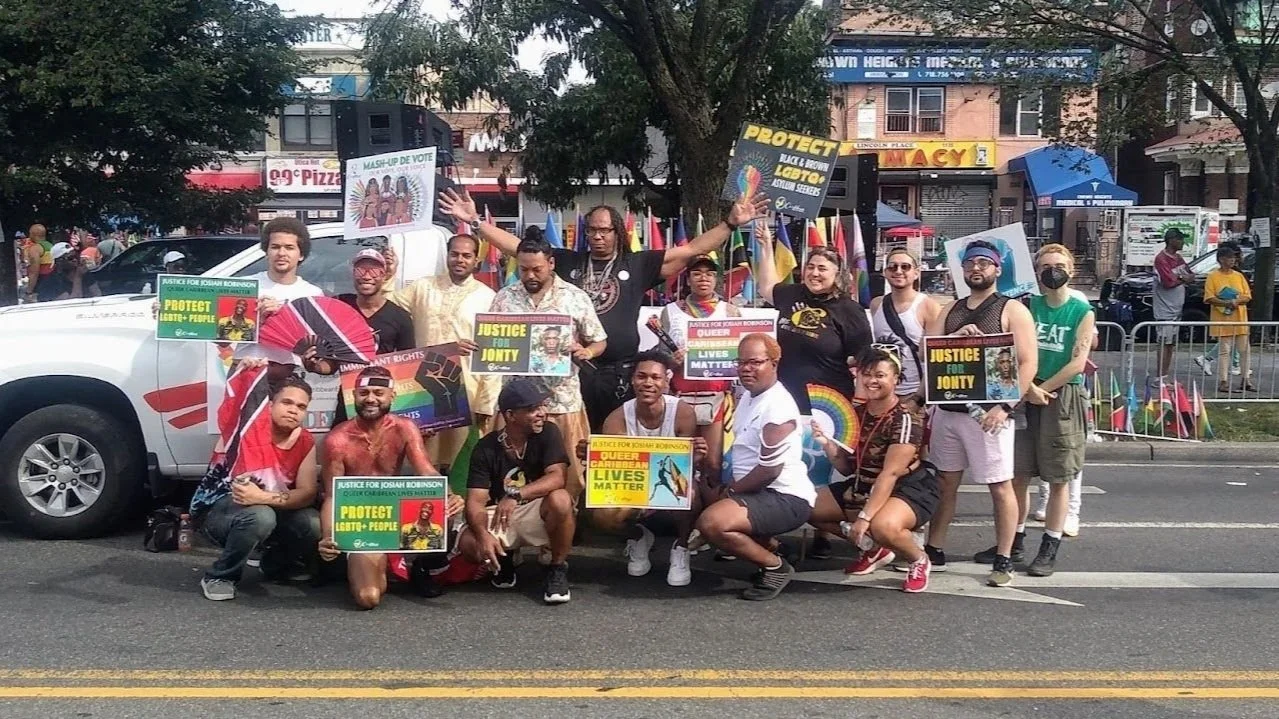
On Monday, the Caribbean Equality Project made history as the first ever entirely LGBTQ+ contingent in New York City’s West Indian Day Parade, marching down Empire Boulevard to demand accountability for the recent murder of a queer Grenadian.
Josiah ‘Jonty’ Robinson was a 24-year-old queer citizen of Grenada who was murdered in St. George on June 18th.
“It’s been two months since his death, and there has been no action from the local authorities in Grenada,” said Mohammed Q. Amin, the group’s founder. “Our visibility here is an act of defiance, but we are also demanding that the Royal Grenada Police Force fully investigate Josiah’s murder.”
The contingent was spearheaded by the CEP, but is made up of 12 Brooklyn based organizations that serve LGBTQ+ Caribbeans in various capacities.
The founder of the CEP, Mohammed Q. Aminn, shared that several onlookers had joined the contingent directly from the crowd upon learning about the group. “This parade is for Caribbean people, by Caribbean people. And that should include LGBTQ Caribbeans.” The CEP offers support groups, provides immigration services and food justice programs to LGBTQ Caribbeans in Brooklyn.
Several members of the contingent expressed fear for their safety, and anxiety about how the public will engage with a queer delegation.
Liz Smith is a coordinator with the HEAT program, which offers health services to LGBT youth in Brooklyn. This is their first march in The West Indian Day Parade in five years. “Unfortunately not everyone is accepting of the fact that you can be Caribbean and you can be queer at the same time,” said Liz Smith, who works with LGBTQ youth.. “But I want people to see us. We are here and we have been serving the neighborhood.”
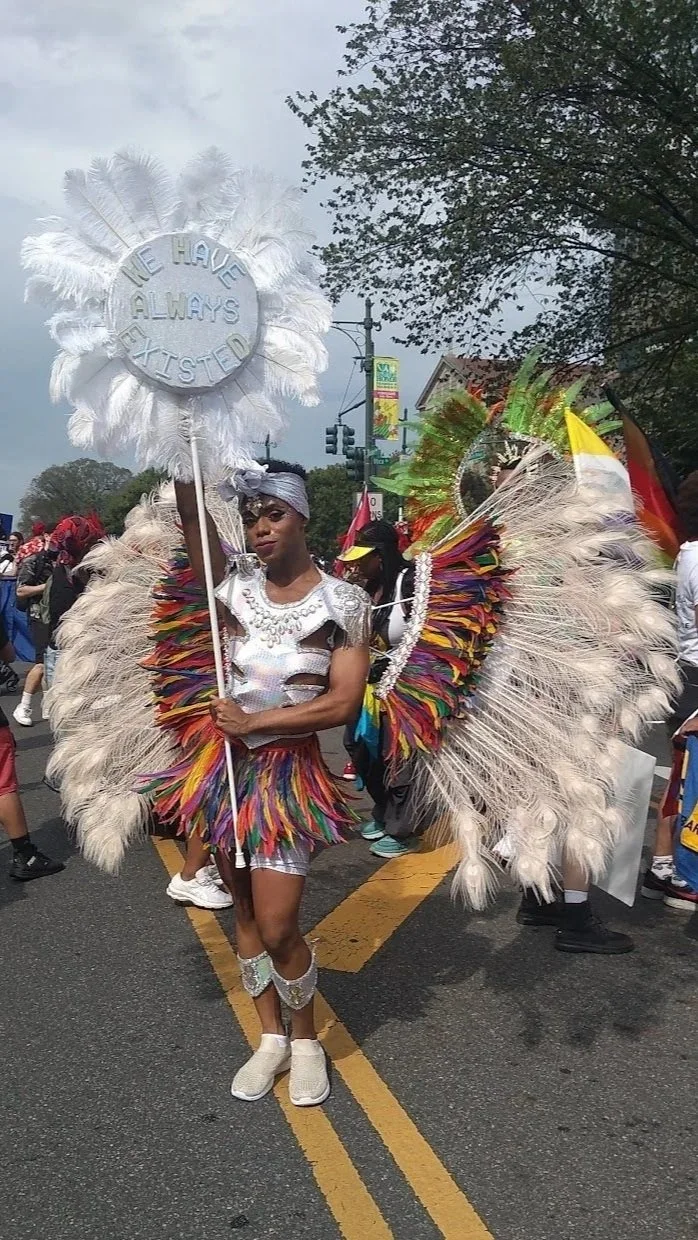
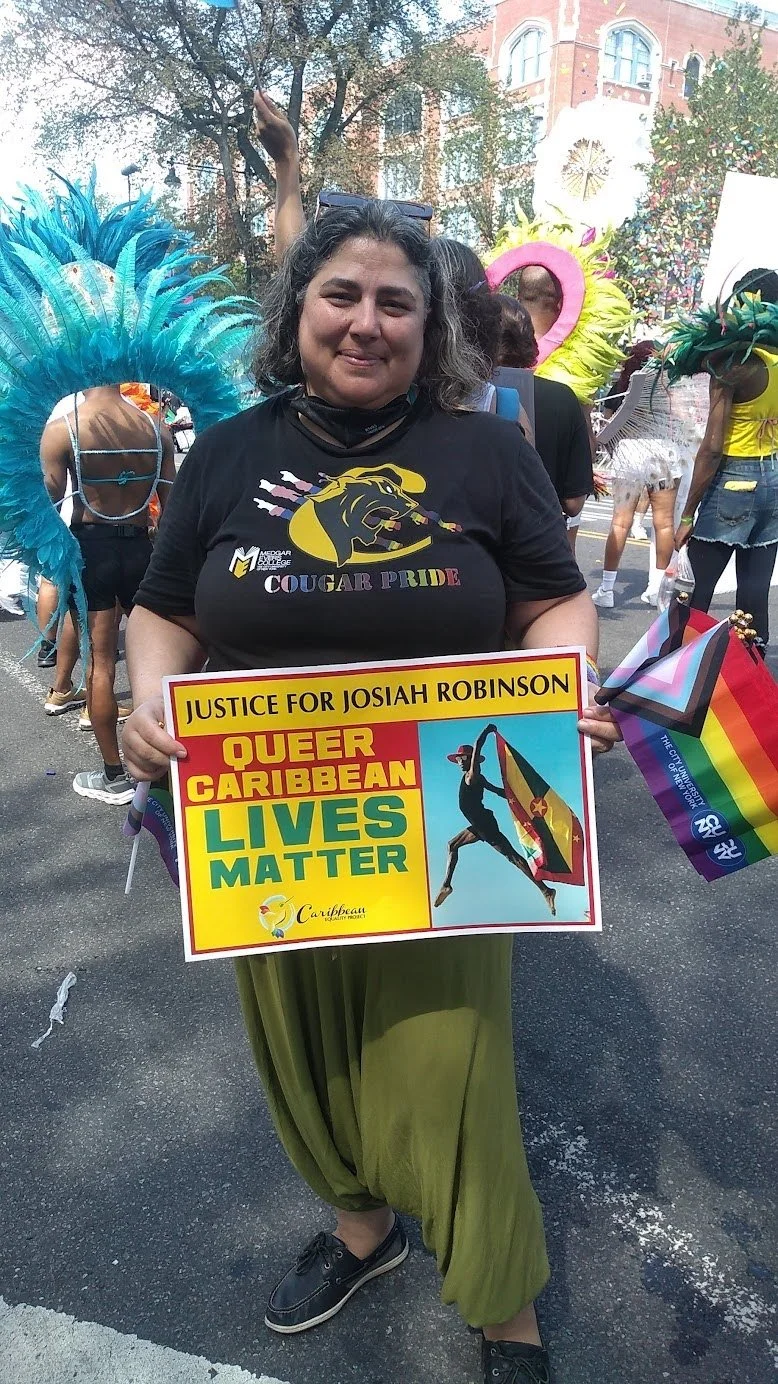
The party was just as colorful as the rest of the parade. Those marching wore feathers, glitter, and elaborate mesh costumes. DJ Chocolate NYC played Soca, Calypso, and Reggae hits at a deafening volume from a U-Haul truck decked out in rainbow ruffles.
The CEP requested to be at the very front of the parade in order to be as visible as possible for safety purposes, but ended up being the fifth contingent to join the march. Onlookers seemed to be receptive to the dancing and chanting of the collective. Many smiled, filmed, raised their fists in solidarity, and danced along to the music. Only a small number seemed stony faced or disapproving in proportion to the rest of the celebratory crowd.
The overwhelming sentiment from the members of this LGBTQ+ contingent is a desire for the greater Caribbean community to understand that these two identities are not mutually exclusive. Anoop Pandohi, Amin’s partner and a member of the CEP, expressed cautious optimism. “I am hoping people are here to celebrate pride in their Caribbean countries instead of their internalized hate.”